

Hon Kem Da Dung in Que Phuoc: How to Get There from Da Nang and Hoi An, Boating Upstream on the Thu Bon River and Essential Tips
What Hon Kem Da Dung Is and Where It Sits
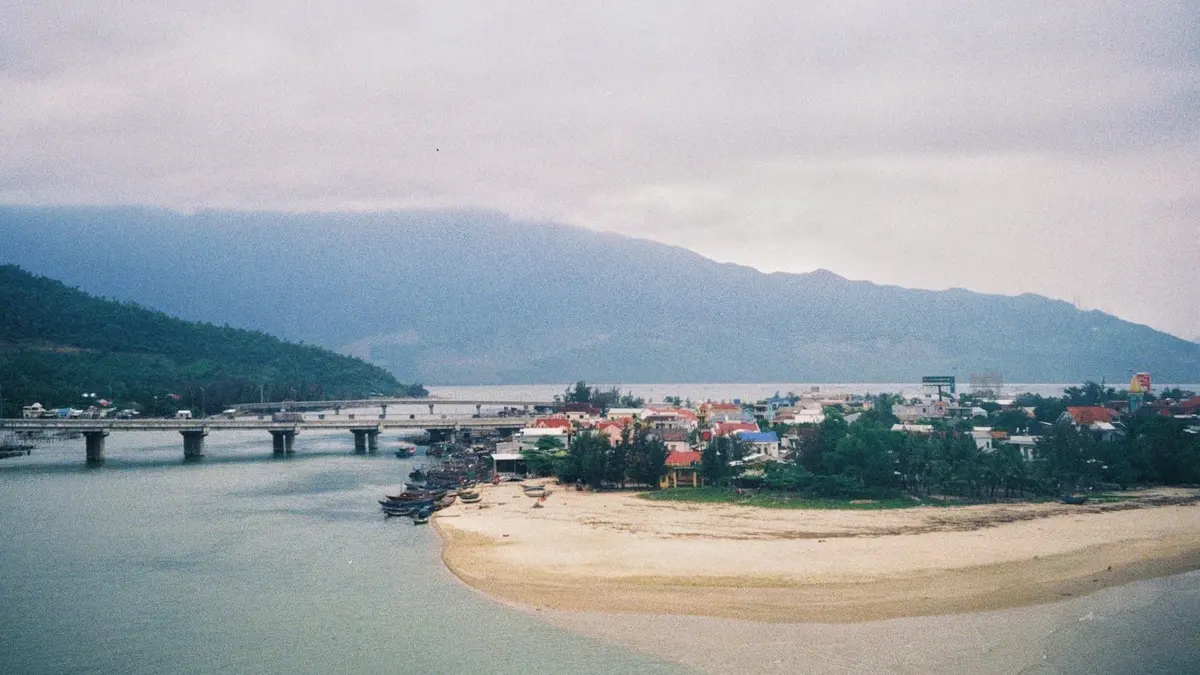
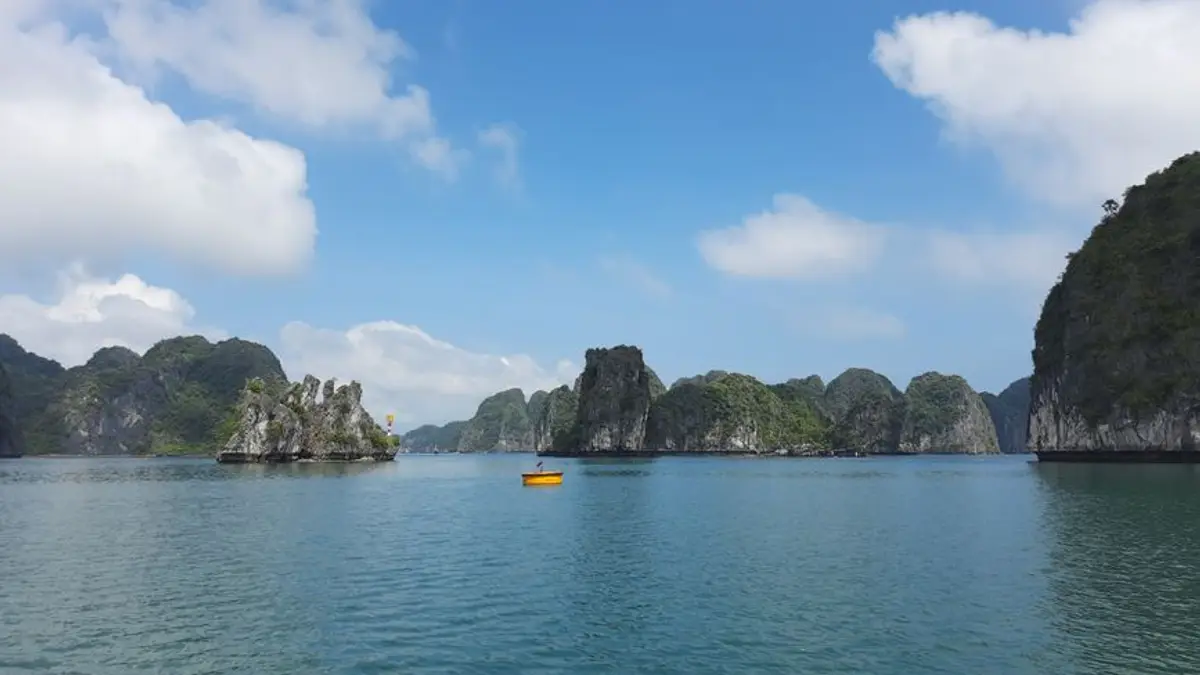
Hon Kem Da Dung is an upper reach of the Thu Bon River where the water threads between steep mountain walls before widening out into pale sandbars and alluvial flats below. According to Tuoi Tre Online (9 May 2026), the gorge formerly straddled Hiep Duc and Que Son districts of Quang Nam Province and now belongs to Que Phuoc Commune, Da Nang City. Articles published before the 2025 administrative merger list either Que Lam (Nong Son) or Hiep Hoa (Hiep Duc), which is why the very same stretch of river can appear under three different commune names across maps and travel blogs.
The origin of the name is likewise unsettled. A local boatman recounted to Tuoi Tre Online that French surveyors in colonial times discovered zinc ore under the riverbed—giving rise to “Hon Kem”—while “Da Dung” refers to massive boulders standing across the current. By contrast, a 2023 article in Bao Dau Tu by Mr Van Ba Son, then Deputy Director of the Quang Nam Department of Culture, Sports and Tourism, interpreted “kem” as a narrow defile and “da dung” as sheer rock cliffs. Both explanations coexist in local writing, so it is best not to treat either one as the sole official etymology.
How to Get There from Da Nang and Hoi An
A local travel guide published on 22 January 2026 puts Hon Kem roughly 94 km from central Da Nang and more than 64 km from Hoi An. Driving takes far less time than approaching all the way by boat, though you should still budget roughly two hours each way by road from Da Nang (an estimate excluding boat time). Three approaches show up most often:
- Via the expressway: take the Da Nang – Quang Nam Expressway to the Ha Lam exit, turn onto National Highway 14E toward former Tan Binh Town (Hiep Duc), and continue about 12 km to the landing referred to in that guide as A Ty Pier.
- Via National Highway 1A: follow Highway 1A south to the Huong An junction, pass through Dong Phu to join Highway 14E, reach Tan Binh Town, and drive roughly 15 km farther as described by Tuoi Tre Online.
- Via Le Pass (Deo Le) and Trung Phuoc: from Huong An turn onto Route 611 over Le Pass to Trung Phuoc and charter a motorboat upstream. Older reports note that the river leg alone takes around two hours, so this option only makes sense when you dedicate a full day to the waterway.
Because different articles name two landings (the ferry landing and A Ty Pier) that may or may not refer to the exact same bank, do not simply type “Hon Kem Da Dung” into a map app and drive blind: confirm the exact meeting point with your boatman or commune staff first, then share the GPS pin with your driver ahead of departure.
Boating Upstream on the Thu Bon River
Back in 2023, Bao Dau Tu reported that there was still no finished access road to the mooring area, no visitor car park and no major investor on site. By May 2026, Tuoi Tre Online described noticeable progress: a 35-seat bus could reach the ferry area, visitors walked 5 to 10 minutes from the parking spot to the water’s edge, and two small boats ferried guests for nearly half an hour along the river. Even so, services remain small-scale, seasonal and community-run—do not expect a formal tourist park with ticket turnstiles and fixed departure timetables.
| Item | Cross-checked details | Source & date |
|---|---|---|
| Boat ride duration | Nearly 30 minutes on the river each way | Tuoi Tre Online, 9 May 2026 |
| Reference charter cost | Around 2,000,000 VND (~$80 USD) round trip for a group of 15 to 20 people | Tuoi Tre Online, 9 May 2026 (press example, not an official tariff) |
| Vehicle access | Accessible to 35-seat buses, followed by a 5 to 10-minute walk to the pier | Tuoi Tre Online, 9 May 2026 |
| Best light on the river | After 15:00, when late-afternoon sun lights the upper gorge | Local boatmen quoted by Tuoi Tre Online |
Highlights Worth Spotting Along the River
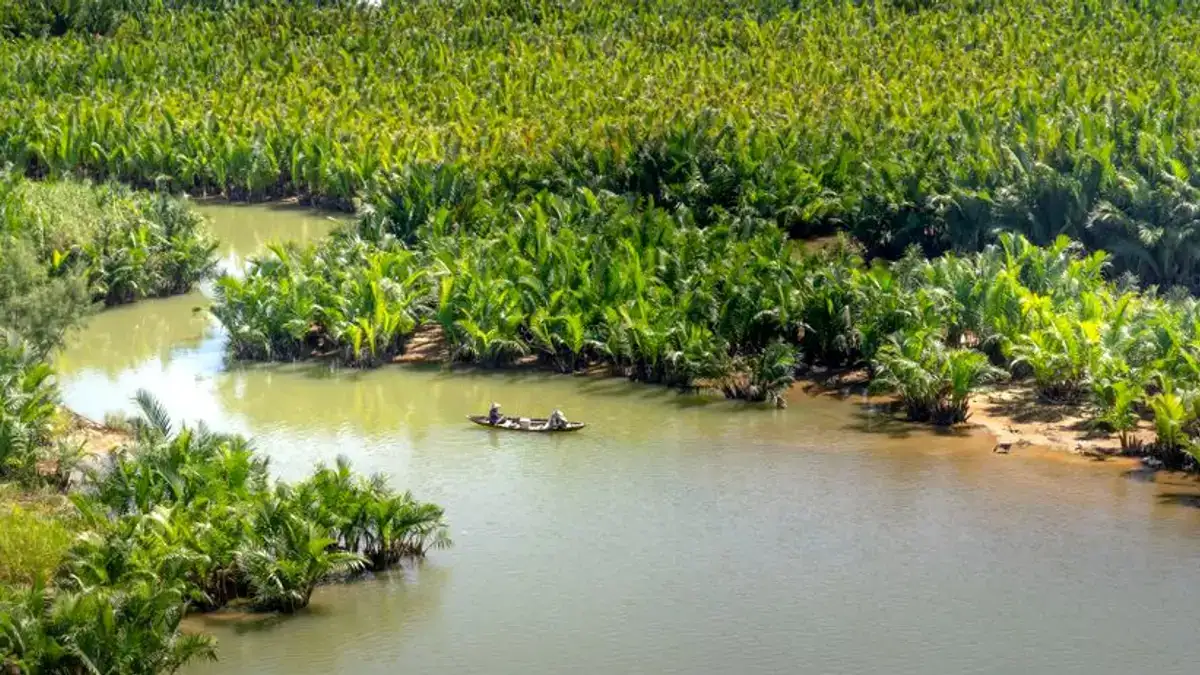
- Gorge cliffs and white sandbars: forested slopes of the Truong Son range pinch the river channel while pale sandbanks and green alluvial flats open out below (Tuoi Tre Online, 2026).
- Ganh Tien rocky shoal: a rock formation jutting into the current, linked in local folklore to fairies descending to bathe (Bao Dau Tu, 2023).
- Talisman stone inscription (Bia Da Bua): villagers tell of an ancient Cham king who had an inscription carved onto a riverside cliff, honoured each eighth lunar month at the local Da Bua ceremony. Tuoi Tre Online also notes a Sanskrit stele and a relief of the god Vishnu discovered nearby.
- Dinh Ba Shrine and Tra Linh Bridge: Dinh Ba worships Lady Bo Bo (its exact construction date remains uncertain), while Tra Linh Bridge spans the river and serves as a handy landmark.
- Monkeys and wild orchids: Bao Dau Tu noted that monkeys now retreat into the forest at the sound of boat engines and cliffside wild orchids suffered heavy harvesting in the past. Do not count on spotting wildlife, and never pick orchids or feed wild animals.
Best Season and River Safety Notes
Every guide agrees on one rule: come during the dry season when skies are clear and rural roads are dry. Specific month ranges vary by writer, typically falling between February and September. Central Vietnam’s heavy rain and flood season arrives in the latter part of the year; the Thu Bon swells fast and past flood lines still scar the rock walls, so postpone your trip whenever heavy upstream rain is forecast.
- Check that the boat carries enough life jackets for every passenger; if jackets are missing, do not board, and keep young children away from the gunwales.
- Stay seated and do not swap places while the boat is moving; never swim where currents run swift or depth is unknown.
- Pack drinking water, a sun hat, sunscreen and grippy footwear—the sandbars are soft underfoot, whereas rocky ledges are slippery.
- Carry all rubbish back out with you; Bao Dau Tu (2023) documented past ecological damage around the gorge, so leaving zero trace matters.
- Because Bao Dau Tu (2023) highlighted ongoing licensing and passenger-safety questions on the river, stick with boatmen recommended through local authorities or residents rather than hailing random boats.
What to Eat and Downstream Nong Son Stops
Tuoi Tre Online mentions free-range chicken cooked with sticky rice, Nong Son seared veal (be thui), grilled river catfish (ca nganh) and grilled river prawns at roughly 200,000 VND (~$8 USD) per person. That figure reflected a pre-arranged group meal rather than a fixed restaurant menu, so ask the price of each dish before ordering.
To extend the journey downstream, the Da Nang City Web Portal (17 July 2026) suggested following the river corridor from Hon Kem Da Dung toward Nong Son: white sandbanks stretching from Ca Tang Pier to Khuong Que, fruit-filled Dai Binh Village and Tay Vien Hot Springs. Dai Binh Ancient Village also hosted a Culture and Tourism Festival opening on the evening of 21 August 2026 (Bao Da Nang), underscoring growing riverfront tourism along Nong Son. Read our Tay Vien Hot Springs guide in Nong Son if you want to plan a mineral foot soak after your boat trip.
Sample One-Day Itinerary and Private Car Transport
Because late afternoon brings the best light on the upper river, the sample schedule below leaves early, pauses for lunch near the landing and boards the boat in the afternoon. Adjust timings to match your boatman’s advice.
- Step 1: 07:30 depart Da Nang. Take the expressway to Ha Lam and turn onto Highway 14E, stopping in Tan Binh Town for water and snacks.
- Step 2: 10:00 reach the pier area. Meet your pre-booked boatman, confirm trip legs and price, park the car and enjoy a local lunch.
- Step 3: 14:30 to 16:30 boat ride and sightseeing. Board after 14:30 so you reach the upper gorge as afternoon sunlight angles across the cliffs and sandbars.
- Step 4: 17:00 depart the pier. Drive back to Da Nang or Hoi An, arriving around 19:00 to 19:30 without extra detours.
A same-day round trip with pier waiting time suits families or groups of friends who want a dedicated vehicle waiting on shore. The closest listed distance benchmark is our private car from Da Nang to Tam Ky (70 km); because Hon Kem lies farther inland, trips are quoted individually by route. Browse our Da Nang and Hoi An private car price list for published fares on standard routes.
Frequently Asked Questions (FAQ)
1Which commune is Hon Kem Da Dung in today, and how far is it from Da Nang?
According to Tuoi Tre Online on 9 May 2026, Hon Kem Da Dung lay between Hiep Duc and Que Son districts of former Quang Nam Province and now belongs to Que Phuoc Commune, Da Nang City. A local travel guide puts the distance at roughly 94 km from central Da Nang and over 64 km from Hoi An. Many older posts still list Que Lam (Nong Son) or Hiep Hoa (Hiep Duc), so search for the boat pier name rather than the commune name when navigating.
2Which road route leads to Hon Kem Da Dung from Da Nang or Hoi An?
The two most commonly cited routes both pass through former Tan Binh Town (Hiep Duc) on National Highway 14E. From Da Nang, take the Da Nang – Quang Nam Expressway to the Ha Lam interchange and turn onto Highway 14E, or follow National Highway 1A to the Huong An junction and cut through Dong Phu onto Highway 14E. From Tan Binh, continue another 12 to 15 km to the landing. The route over Le Pass (Deo Le) and Trung Phuoc is longer and mainly suits full-day river trips.
3How long does the upstream boat ride to Hon Kem Da Dung take, and what does it cost?
Tuoi Tre Online reported in 2026 that small boats carry passengers for nearly half an hour on the river, and quoted roughly 2,000,000 VND (~$80 USD) round trip for a boat taking a group of 15 to 20 people. That figure comes from one press report rather than an official tariff, and rates can vary by pier and season. Confirm headcount, trip legs, waiting time and life jackets with the boatman before boarding.
4Should I book a boat in advance, and whom can I contact for local details?
Advance booking is wise for groups because visitor demand clusters in peak dry months and there is no formal ticketed marina yet. Tuoi Tre Online notes that the Culture and Social Affairs Office of Que Phuoc Commune helps connect travellers with community-based tourism operators. Because no public phone number was printed in that report, reach out through the commune's official channels or ask local residents to introduce a trusted boat owner.
5Which season is best and safest for visiting Hon Kem Da Dung?
Travel guides consistently advise visiting in the dry season when skies are clear and the river current is calmer, citing windows somewhere between February and September depending on the source. Avoid days of heavy rain and the late-year flood season because the Thu Bon River rises rapidly—old high-water marks remain visible on the cliff faces. Locals say the prettiest light arrives after 15:00 when afternoon sun warms the upper gorge.
6What does the name Hon Kem Da Dung mean?
There is no single agreed explanation. One boatman told Tuoi Tre Online that French prospectors in the colonial era found zinc ore (kem) in the riverbed while Da Dung refers to large boulders blocking the channel. By contrast, a 2023 Bao Dau Tu essay by a former Deputy Director of the Quang Nam Department of Culture, Sports and Tourism explained kem as a narrow gorge and da dung as vertical rock walls.
7Can I combine Hon Kem Da Dung with Dai Binh Village or Tay Vien Hot Springs in one day?
They lie along the same Thu Bon River corridor, so combining them is possible, though two days—or a very long single day—works better. Dai Binh and Tay Vien sit downstream in Nong Son Commune; on 17 July 2026 the Da Nang City Web Portal suggested starting at Hon Kem Da Dung and heading downstream toward Nong Son. If you only have one day, choosing one area keeps the pace much more comfortable.
8How much is a private car for a same-day round trip to Hon Kem Da Dung?
Hon Kem Da Dung does not have a standalone fixed route on the Sun Travel tariff table. The closest published distance benchmark is Da Nang to Tam Ky (70 km, around 1.5 hours): 780,000 VND (~$31 USD) for a 4-seat car, 890,000 VND (~$36 USD) for a 7-seat SUV and 1,270,000 VND (~$51 USD) for a 16-seat van one way. Because Hon Kem is farther inland and involves round-trip driving plus waiting time at the pier, fares are quoted to match your exact itinerary. Send your pick-up address and preferred departure time via WhatsApp +84 384 833 444 for an upfront quote.
Book Your Private Door-to-Door Transfer
Enjoy comfortable, private rides between Da Nang, Hoi An, Ba Na Hills & Hue. Modern fleet (4, 7, 16-seater), fixed all-inclusive rates with zero advance deposit required.
🏮Popular Private Transfer Routes
Transparent fixed rates with professional English-speaking driver support. Tolls & airport fees included.