

Cau Bong Festival at Tra Que Vegetable Village, Hoi An: Dates, Rituals and Tips for Visitors
What the Festival Means and Why It Falls on the 7th Day
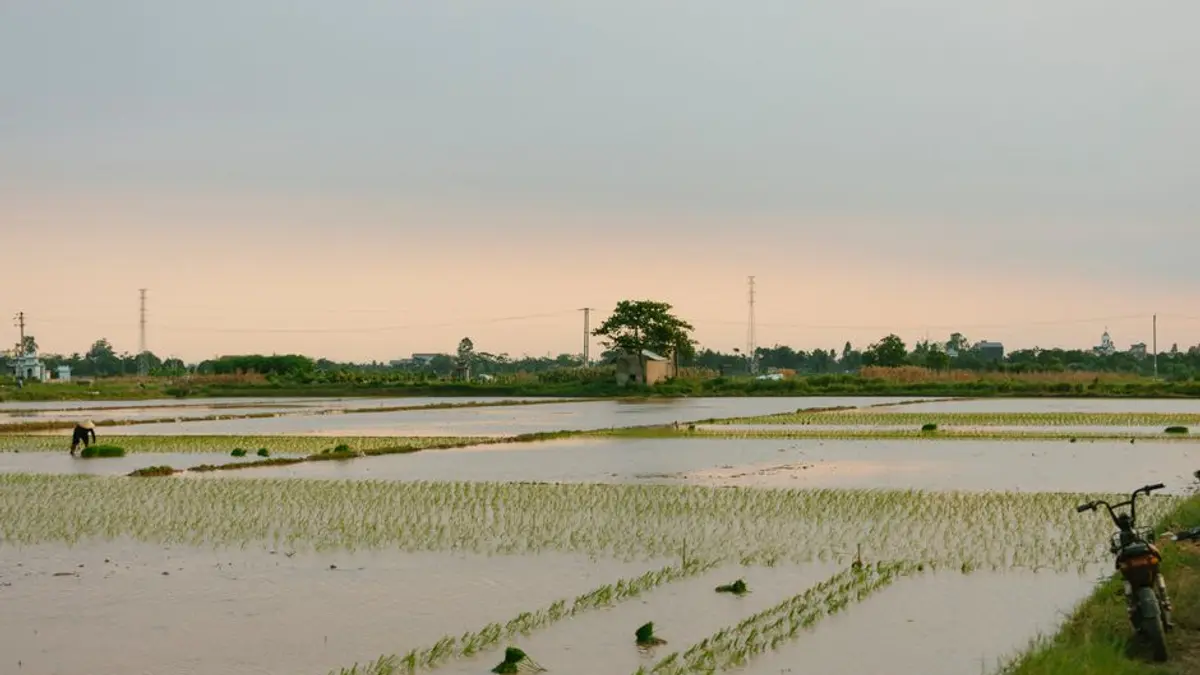
The Cau Bong Festival is a folk festival of Tra Que Vegetable Village in Hoi An, held on the 7th day of the first lunar month. Locally this is known as Khai Ha: the Tet holiday is over, the farmers take down the New Year pole and begin the year’s work in the fields. That is why the festival feels like the opening of the planting season rather than a show put on for tourists.
At its heart is thanksgiving to heaven and earth, to Than Nong, to the village guardian spirit and to the founders who cleared the land and passed on the craft of growing vegetables. Villagers also pray for gentle weather, flowering and fruiting plants and healthy greens. Hoi An documents and local newspapers say the preparations can begin on the 6th, and on the morning of the 7th there are incense offerings and ceremonies for Than Nong and the village founders at the village communal house or shrine.
Tra Que Vegetable Village and Its Farming Craft
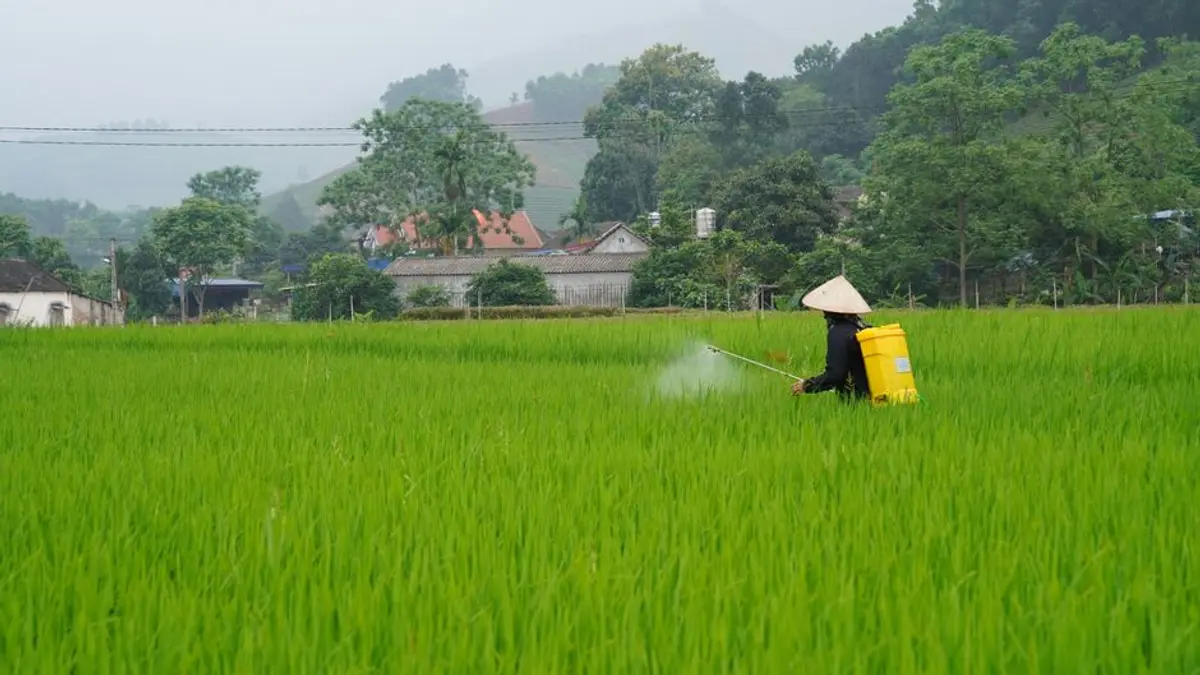
Tra Que lies about 3 km northeast of Hoi An’s old town, on a strip of land surrounded by the Co Co River and the Tra Que lagoon. Vegetable growing here is recorded as having more than 400 years of history. Villagers raise over 20 kinds of leafy vegetables and herbs in the traditional way, without chemical fertiliser, enriching the beds with aquatic weeds gathered from the lagoon.
Two milestones are often mentioned: the craft was added to the National Intangible Cultural Heritage list in April 2022, and in November 2024 UN Tourism named Tra Que a Best Tourism Village for 2024. They help explain why the early-spring festival draws a fair number of visitors, and also why you should treat it as a village occasion and behave accordingly.
What the Ritual and Festival Parts Usually Include
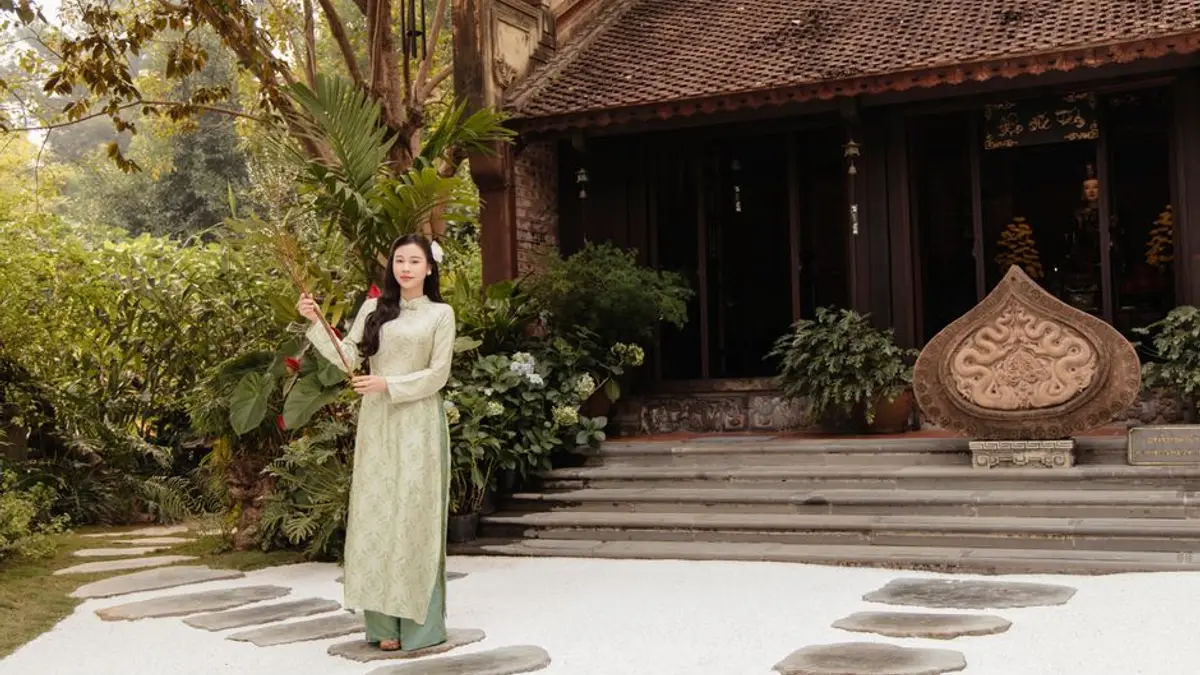
The ritual: welcoming the deities, incense and the Than Nong ceremony
- Village elders and the ritual team perform the welcoming of the deities, offer incense and read the prayer of thanks to Than Nong and the village founders.
- Local sources describe offerings of pink sticky rice, a boiled rooster with a flower in its beak, betel and areca, tea and rice wine, and village produce such as fresh herbs and the tam huu plate.
- The ritual is solemn. Visitors should stay outside the ceremony area, dress modestly and avoid taking photos at close range of people performing the rites.
The festival: farmers’ skills and food
- Contests tied to gardening: hoeing the soil, shaping beds, sowing and carrying vegetables on a shoulder pole.
- A contest in wrapping and enjoying tam huu: shrimp, pork belly and spring onion, eaten with the village’s fresh herbs.
- Folk games, bai choi singing and lion dances. If you enjoy that art form, read more in our guide to bai choi in Hoi An.
The timing of each activity is not fixed from year to year, so this guide gives no specific hours. If you need them, ask the ward People’s Committee or check Hoi An’s official information pages at the start of the first lunar month.
Gregorian Dates for the Coming Years
Because the festival follows the lunar calendar, its Gregorian date changes every year. The table below is converted from the first day of Tet. Check each year’s calendar and local announcements before you book flights or hotels.
| Year | 1st day of Tet (Gregorian) | 7th day of the 1st lunar month (Gregorian) |
|---|---|---|
| Year of the Horse 2026 | 17 February 2026 | 23 February 2026 |
| Year of the Goat 2027 | 6 February 2027 | 12 February 2027 |
Tips for Watching the Festival
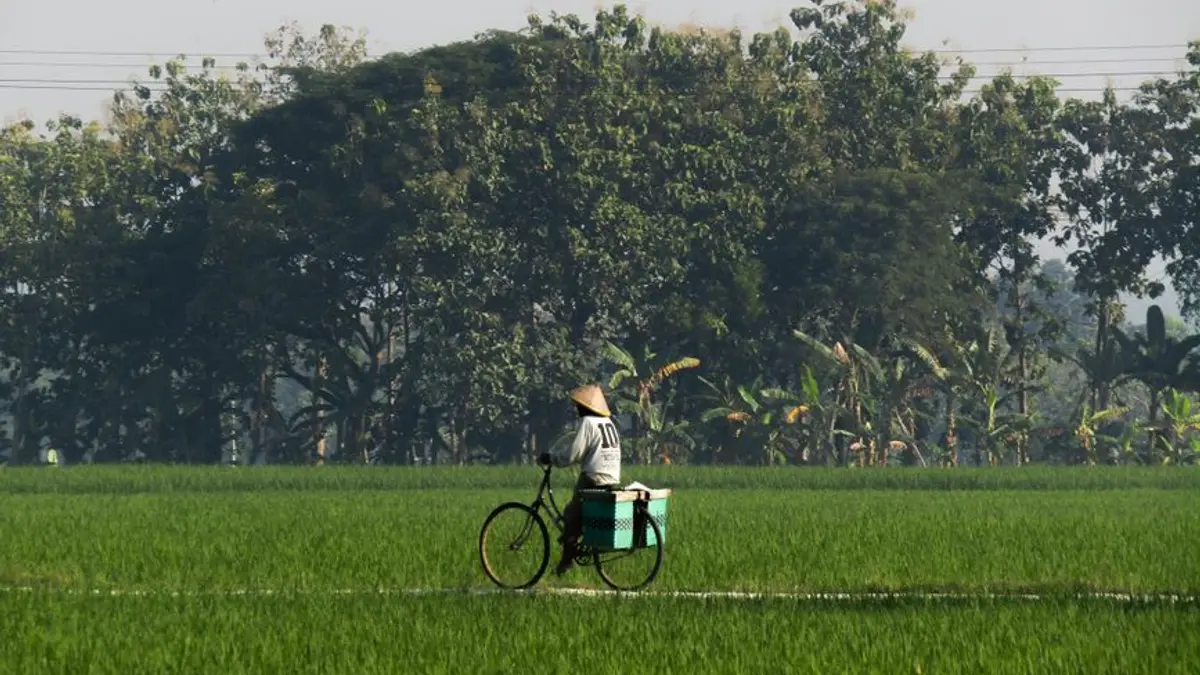
The 7th day still falls within the Tet holiday, so opening hours and service prices in Hoi An may differ from a normal day. Ask in advance if you plan to eat or join an activity in the village. Arrive early to find a spot, bring a hat and drinking water, and wear light clothes because the vegetable fields offer little shade. The village lanes are narrow and crowded on festival day, so many visitors leave the car at the nearest point and finish the trip on foot or by bicycle.
To learn more about the craft and what you can do all year, read about the farmer experience in Tra Que. Services such as farmer tours, cooking classes and herbal foot soaks are run by individual households or tour operators at different prices, so ask clearly before you join.
Getting There from Da Nang and Hoi An
From central Da Nang to Hoi An is about 30 km (around 40 to 45 minutes when traffic is light), then roughly 3 km more into Tra Que. From the old town you can cycle, ride a motorbike or take a taxi in 10 to 15 minutes. Traffic is heavy during Tet and on the 7th day, so set off early and agree a meeting point in advance.
If you are travelling as a family or with older relatives, you can book a private car from Da Nang to Hoi An at a time that suits you and add a stop at Tra Que. Rough prices for each vehicle type are in the FAQ section below or in our Da Nang and Hoi An car rates. Book early over the holidays because vehicle schedules fill up fast.
Related guide:
Frequently Asked Questions (FAQ)
1When is the Cau Bong Festival at Tra Que Vegetable Village held?
The festival is held on the 7th day of the first lunar month every year, on Khai Ha day. That date falls on 23 February 2026 and 12 February 2027 in the Gregorian calendar. The detailed programme is announced locally each year, so check again before you travel.
2How far is Tra Que Vegetable Village from Hoi An Ancient Town?
According to the Vietnam national tourism portal, Tra Que is about 3 km northeast of the centre of Hoi An's old town, roughly 10 to 15 minutes by bicycle, motorbike or car when the road is clear. On festival day the area is crowded, so add some extra time.
3What is usually on the offering tray at the Cau Bong Festival?
Hoi An sources and local newspapers describe pink sticky rice, a boiled rooster with a flower in its beak, betel and areca, incense and flowers, tea and rice wine, plus village produce such as fresh herbs and the tam huu plate (shrimp, pork and spring onion). Details of the display can differ from year to year.
4What activities are part of the festival section of Cau Bong?
The festival part usually revolves around farm life: soil-hoeing and vegetable-planting contests, a tam huu cooking contest, folk games, bai choi singing and lion dances. The organisers announce the exact list of activities for each festival season.
5Can visitors take part in the Cau Bong Festival?
It is a community festival, but in many years plenty of visitors come to watch and join in some activities. The rituals are carried out by village elders and residents, so visitors should observe quietly from a distance. Whether the games are open to guests depends on the rules for that year.
6Has Tra Que received any notable heritage or tourism recognition?
According to the Vietnam national tourism portal and the Government newspaper, Tra Que's vegetable growing craft was added to the National Intangible Cultural Heritage list in April 2022, and in November 2024 UN Tourism named Tra Que a Best Tourism Village for 2024.
7What can I do in Tra Que outside the festival?
Year-round the village offers vegetable garden visits, one-day farmer tours, cooking classes using fresh herbs and herbal foot soaks. Fees are set by each household or operator, so ask for the price before you join.
8How much is a private car from Da Nang to Hoi An for the Cau Bong Festival?
For a Tra Que festival trip, the closest Sun Travel route is Da Nang Airport to Hoi An (30 km, 45 mins): 4-seat car 280,000 VND (~$11 USD), 7-seat SUV 330,000 VND (~$13 USD), 16-seat van 500,000 VND (~$20 USD). These are all-inclusive one-way fares covering tolls and parking, with no peak-hour surcharge. The driver meets you at the time you choose. Book through WhatsApp +84 384 833 444 and pay at the end of the ride.
Book Your Private Door-to-Door Transfer
Enjoy comfortable, private rides between Da Nang, Hoi An, Ba Na Hills & Hue. Modern fleet (4, 7, 16-seater), fixed all-inclusive rates with zero advance deposit required.
🏮Popular Private Transfer Routes
Transparent fixed rates with professional English-speaking driver support. Tolls & airport fees included.